
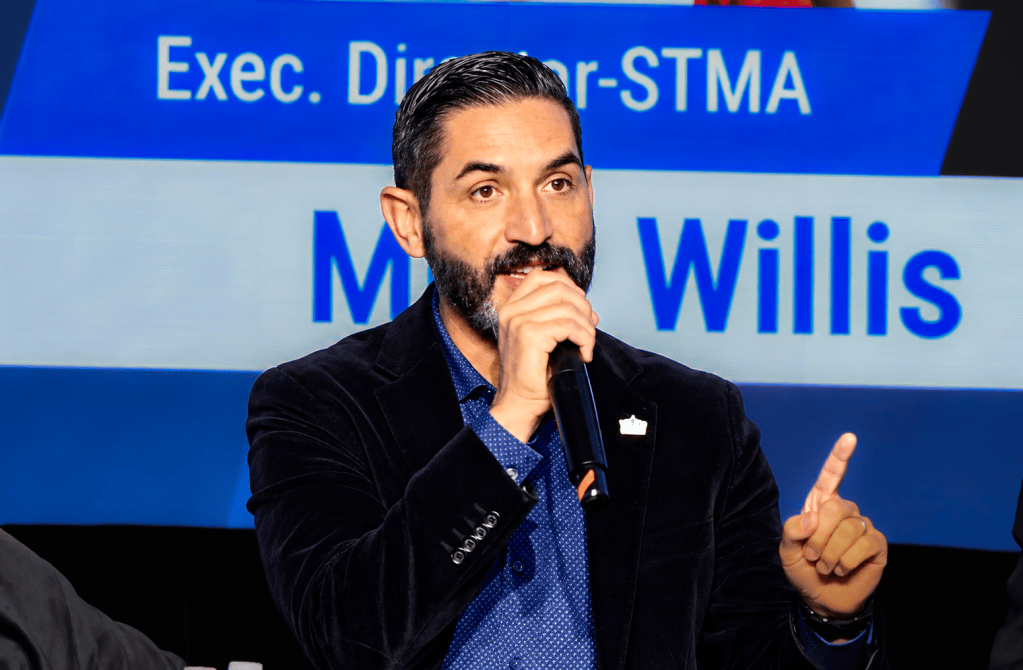
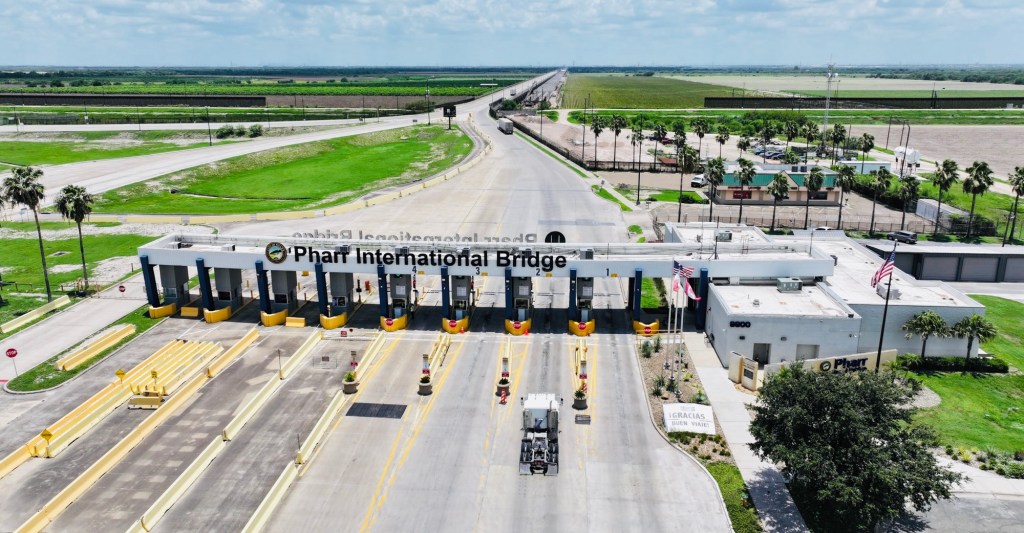
Dante Galeazzi, president and CEO of the Texas International Produce Association, told industry and infrastructure leaders at the City of Pharr’s inaugural Gateway Forum that expansion of the Pharr International Bridge and related cold-chain projects will help the produce industry move higher volumes more efficiently while protecting product quality and keeping food more affordable.
Guillermo Almazo Garza, vice president at Inbound Logistics magazine, moderated the discussion, which also included Pharr Bridge Director Luis Bazán, CPM and other regional industry representatives.
Galeazzi underscored Pharr’s outsized role in the fresh-produce supply chain. “Pharr is incredibly important,” he said. “It crosses 22 million pounds of fresh produce every single day. … more than 200 different fresh produce items. Pharr has been the leader in crossing for the last 10 years.”
He noted that overall fresh-produce volumes from Mexico have declined by nearly a billion pounds year-to-date, yet crossings at the Pharr International Bridge have increased. He attributed the difference to Pharr’s strategic location: roughly two-thirds of the U.S. population lives east of #Texas, making the crossing more efficient than routes through Arizona or California, which can add roughly $2,000 in diesel costs for the same load.
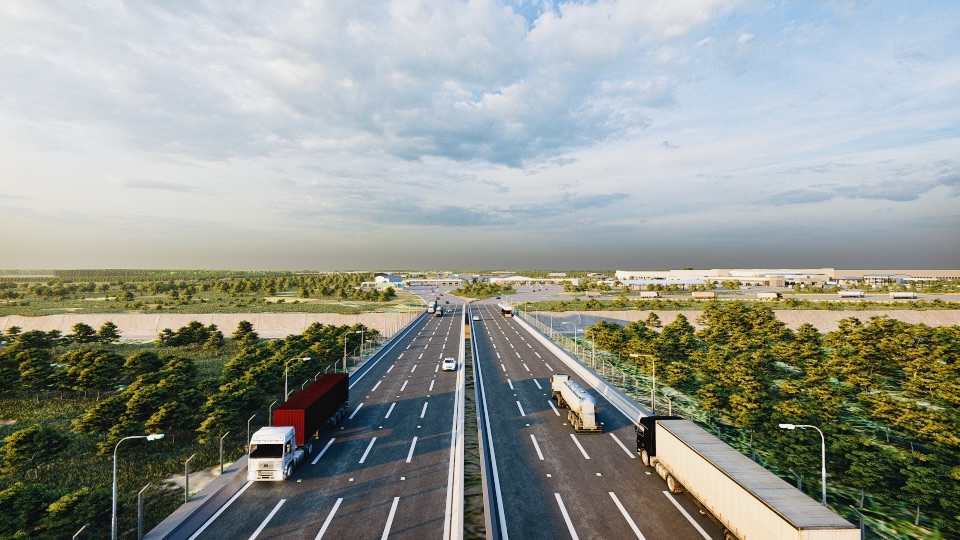
Delays carry a steep price for perishable goods. “Every day, every 24 hours of delay for fresh produce decreases its value by 10%,” Galeazzi said. “If your bag of onions cost $10, and it’s delayed today, now it’s $9.” Expanding capacity, he argued, speeds crossings, raises throughput, and supports continued growth in demand. “America is not going to stop eating. … Elements like Make America Healthy Again are going to drive Americans in future generations to eat more healthy foods. Fresh produce is the top of that list, and that means we’ve got to cross more, and that’s going to happen here in Texas, in Pharr.”
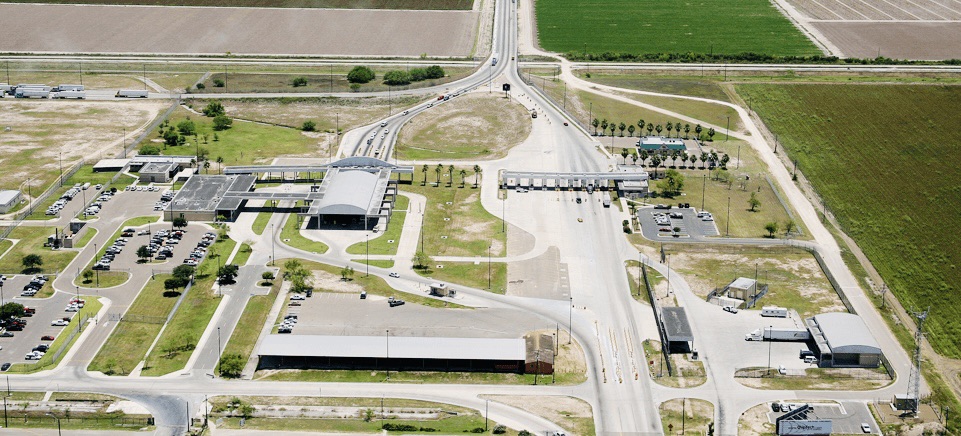
On cold-chain priorities, Galeazzi highlighted the challenge of South Texas heat—often exceeding 200 days at 90 degrees or higher. Opening refrigerated trucks for inspection allows hot ambient air to enter loads held between 33 and 55 degrees, shortening shelf life, raising replacement costs, and pushing up food prices. He pointed to the DAP 16 project, which he said will add cold doors for fresh-produce inspections so more product can be examined in refrigerated areas. Faster crossings, he added, also reduce fuel used by reefer units.
“We are going to help keep the food supply chain in North America affordable for Americans,” Galeazzi said, “and it’s because of infrastructure investments like what’s happening here.”
The Gateway Forum, organized by the City of Pharr, TX — Yuri Gonzalez, director of International Commercial Development, coincided with ongoing bridge expansion work that city officials have described as roughly doubling capacity. Pharr has long ranked as the leading U.S. land port for fresh produce from Mexico.

